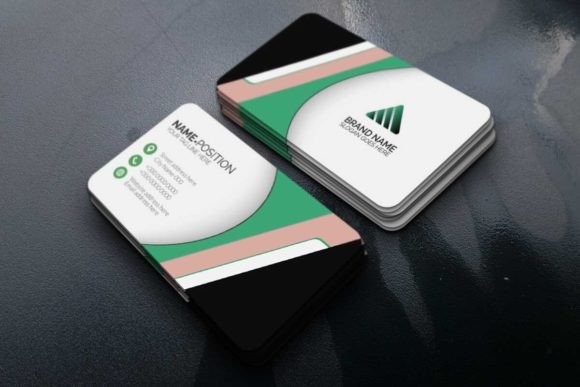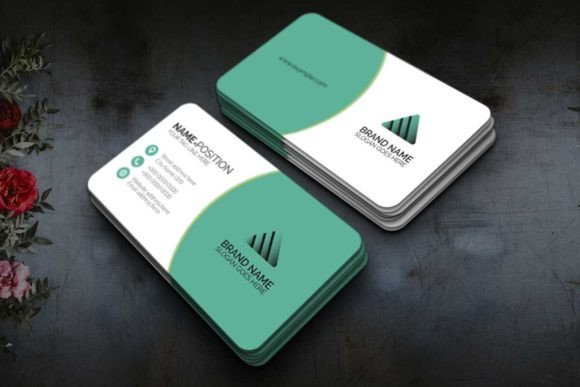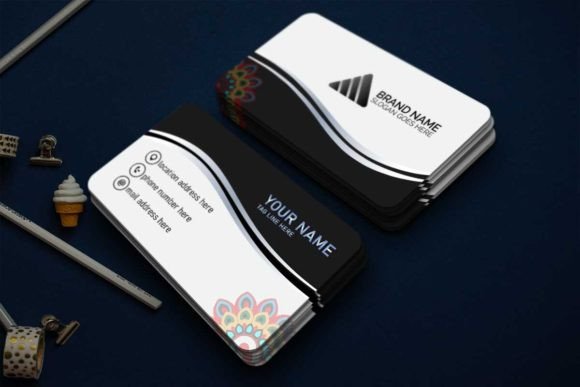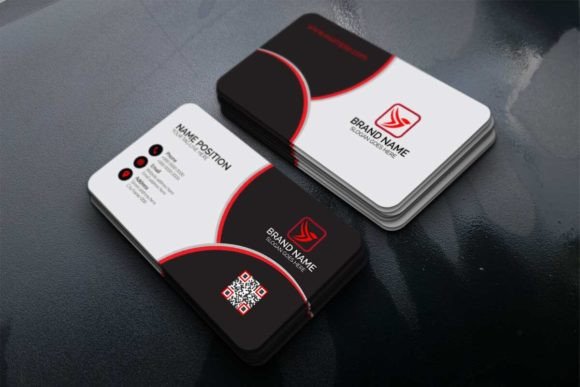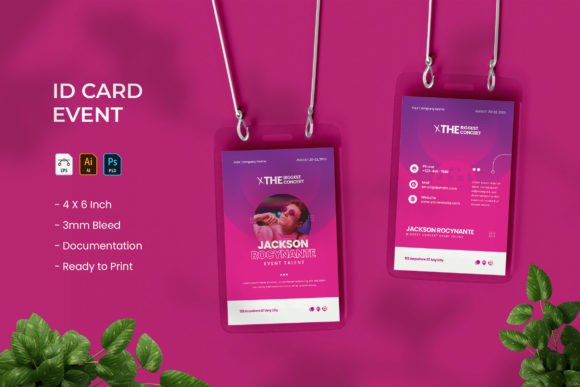
Event - ID Card: Modern Identity Solutions for Professional Settings
In the fast-paced world of corporate events, conferences, and trade shows, first impressions happen in seconds. That is exactly where a well-designed Event - ID Card becomes your most powerful silent ambassador. It isn't just a piece of plastic or paper; it is a tangible extension of your brand's identity that bridges the gap between professional credibility and approachable creativity. When you walk into a networking session, the design on your badge can speak volumes about your attention to detail before you even introduce yourself.
Gone are the days when identification meant a generic, stiff formality. Today's professionals demand visual flair that aligns with modern aesthetics. A fresh design on your event credentials signals that your organization is forward-thinking and values innovation. This specific concept focuses on delivering a layout that is not only visually striking but also deeply functional, ensuring that your message is clear while your style remains impeccable.
Real-World Applications Across Industries
The versatility of this design template allows it to transcend simple name tags. Whether you are organizing a high-stakes tech summit or a creative arts festival, the Event - ID Card adapts to the unique DNA of your industry. Let's look at how different sectors leverage these modern concepts to enhance their operations.
- Tech Conferences and Startup Expos: In the technology sector, sleek lines and minimalist layouts resonate best. A modern ID card here serves as a digital business card alternative. By utilizing the fully editable layers, organizers can integrate QR codes that link directly to LinkedIn profiles or portfolio sites. The 4 x 6-inch size provides ample space for a large, legible font that conveys authority without cluttering the visual field.
- Corporate Training and Workshops: For internal company events, consistency is key. These cards act as essential tools for access control and team building. The modifiable nature of the file means HR departments can easily swap out department names and logos while maintaining a unified corporate aesthetic. It transforms a standard attendance sheet into a keepsake that employees might actually want to keep in their wallets.
- Promotional Campaigns and Brand Activations: Marketing teams often use these cards as promotional items. Instead of handing out disposable flyers, brands distribute high-quality ID cards that serve as entry passes. The dual-page format offers a unique opportunity: one side acts as the official pass, while the reverse side can feature a special offer, a discount code, or a call to action. This turns a passive identification tool into an active marketing channel.
- Wedding Planners and Event Coordinators: Even in the social sector, professionalism matters. Wedding planners use these to distinguish VIP guests from general attendees. The creative layout allows for elegant typography and color schemes that match the event's theme, ensuring that the identification process feels like part of the celebration rather than a bureaucratic hurdle.
Why Design Matters for Your Audience
When you consider the psychology of networking, the physical attributes of your ID card play a significant role in how people perceive you. A poorly designed badge can suggest a lack of preparation or a disregard for the attendee experience. Conversely, a card with a fresh, creative layout demonstrates that you care about the details. It invites conversation. People are naturally drawn to interesting designs, making it easier to break the ice.
The Event - ID Card is crafted with the understanding that users have varying levels of technical expertise. You do not need to be a graphic designer to make this work. The inclusion of AI, EPS, and PSD files ensures that whether you prefer Adobe Illustrator, Photoshop, or CorelDRAW, you have full control over the final output. This flexibility is crucial for businesses that need to iterate quickly based on last-minute changes or specific branding guidelines.
Navigating the Production Process
Before you hit "print," there are several practical considerations to ensure your event runs smoothly. The quality of the final product depends heavily on how you prepare the digital assets. Since the file is set up in CMYK 300 DPI, it is optimized for professional printing. However, if you plan to print these at home or at a local copy shop, you must verify their color settings to avoid unexpected shifts in hue.
One of the standout features of this item is its organization. The layers are well-structured, which makes editing intuitive. You can easily isolate text elements, background graphics, or logo placements without accidentally altering other parts of the design. This "ready to go" aspect saves hours of troubleshooting. Additionally, the package includes a Read Me documentation file and uses free fonts, eliminating the hassle of tracking down licensed typefaces that might expire or cost extra fees.
Maximizing the Two-Page Format
The two-page structure is more than just a design choice; it is a strategic advantage. In many scenarios, you need to separate information. The front side can remain clean and focused on the individual's name, title, and photo. The back side opens up a canvas for additional utility. Here are a few ways to utilize that extra space effectively:
- Schedule and Agenda: Print a mini-timeline of the day's events on the back so attendees never miss a keynote.
- Sponsor Recognition: If you are hosting a sponsored event, use the reverse side to display partner logos, adding value to your sponsors while keeping the front uncluttered.
- Interactive Elements: Leave a blank section or include a tear-off tab for contact information exchange, encouraging physical interaction between attendees.
Strengths and Practical Limitations
While the Event - ID Card offers a robust solution for modern identification needs, it is important to understand its scope. Its primary strength lies in its adaptability and ease of customization. The ability to modify text and graphics instantly makes it ideal for dynamic environments where schedules change frequently. Furthermore, the high-resolution output ensures that your brand looks sharp whether viewed from across the room or held close to the eye.
However, potential users should note that the design assumes a certain level of engagement with the software. While the layers are organized, beginners might find navigating PSD files slightly daunting compared to drag-and-drop online builders. Additionally, the 4 x 6-inch size is larger than standard wallet-sized badges. While this offers better visibility and readability, it may require specific lanyards or holders to ensure comfort during long events. It is also worth remembering that while the file is ready to print, the final result depends on the quality of the physical material chosen—thicker cardstock will always yield a more premium feel than thin paper.
Final Thoughts on Impactful Identification
In an era where digital communication often overshadows physical interaction, having a tangible, beautifully designed ID card sets you apart. It shows that you value the human element of your event. Whether you are a startup founder trying to impress investors, a conference organizer managing thousands of guests, or a marketing manager launching a new product, the right identification tool can elevate the entire experience.
The Event - ID Card is not just a template; it is a strategic asset. By combining modern aesthetics with practical functionality, it ensures that your brand leaves a lasting impression. With its comprehensive file formats, clear documentation, and focus on user-friendly customization, it removes the friction from the design process, allowing you to focus on what truly matters: connecting with your audience. When you present a fresh, professional identity, you aren't just showing who you are; you are showing what you stand for.