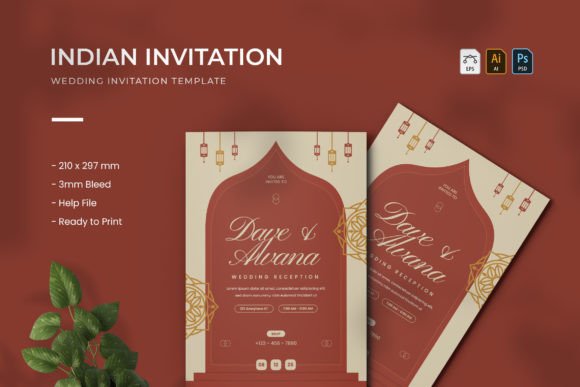
Indian - Wedding Invitation: Elevating Your Celebration with Modern Design
When planning a wedding, the invitation is often the first tangible piece of your story that guests encounter. It sets the tone for the entire event, blending tradition with personal style. However, many couples find themselves overwhelmed by generic templates that fail to capture the vibrant essence of an Indian celebration. This is where a modern concept Indian - Wedding Invitation becomes essential. By moving away from static, outdated designs and embracing fresh, creative layouts, you ensure that your invitation makes a lasting impression on every potential guest.
The goal is not just to convey information but to create excitement. A well-designed card acts as a bridge between your digital planning phase and the physical reality of your big day. Whether you are a professional designer looking for high-quality assets or a couple seeking a unique way to announce your union, understanding the nuances of these design files is crucial. The difference between a forgettable flyer and a cherished keepsake often lies in the quality of the source material and how easily it can be customized to fit your specific needs.
Why Modern Concepts Matter for Indian Weddings
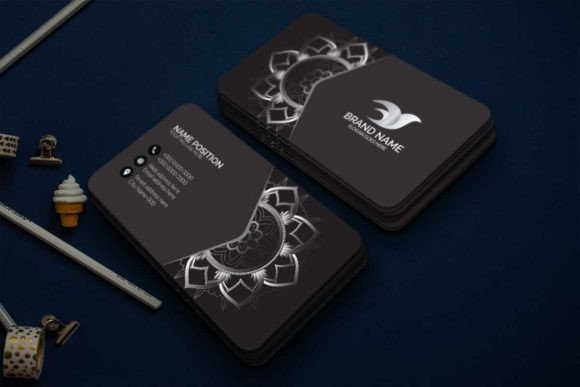
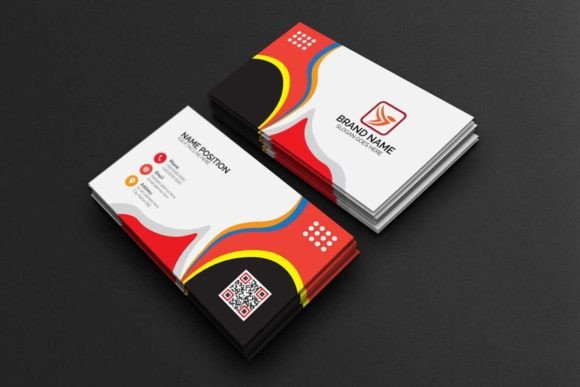
Traditional Indian weddings are known for their opulence, intricate patterns, and rich colors. Yet, modern trends are shifting towards sleek, minimalist aesthetics that still honor cultural roots. A modern business card or invitation design offers a perfect balance. It allows you to incorporate traditional motifs like mandalas, paisleys, or rangoli patterns without making the layout look cluttered or old-fashioned.
Using a modern idea for your invitation ensures that the visual communication aligns with contemporary tastes. This is particularly important for younger generations who appreciate clean lines and bold typography alongside cultural elements. When you choose a design that feels current, you signal to your guests that this is a special, thoughtfully curated event. It transforms a simple piece of paper into a piece of art that reflects your personality as a couple.
Avoiding Common Design Pitfalls
One of the most frequent mistakes people make when selecting invitation materials is focusing solely on the visual appeal while neglecting technical specifications. Many users download free resources without checking if the files are truly editable. If you receive a design that is locked in a raster format like JPEG or PNG, you will struggle to change the text, swap out photos, or adjust colors. This limitation can ruin the customization process, forcing you to start over or settle for a design that doesn't quite fit.
Another critical oversight involves resolution and color modes. Printing invitations requires CMYK 300 DPI resolution to ensure sharp text and vibrant images. If you use a file designed for web (RGB) or one with low resolution, your printed cards may appear blurry, pixelated, or washed out. This can significantly affect the perceived quality of your wedding stationery, potentially making a grand event feel less professional. Always verify that the main file included supports high-resolution printing before committing to a purchase or download.
Maximizing Usability with Professional File Formats
To avoid these pitfalls, it is vital to understand the value of having versatile file formats. A premium design package should include AI, EPS, and PSD files. These formats are the industry standards for professional editing. AI and EPS files are vector-based, meaning they can be scaled up or down infinitely without losing quality. This is ideal if you decide to print larger versions of your invitation or need to resize elements for different promotional items.
The inclusion of PSD files is equally important for those who prefer working in Adobe Photoshop. These files allow for detailed image manipulation, layer adjustments, and complex compositing. Having a fully editable structure means you can modify text, replace stock images with your own photos, and tweak color palettes to match your wedding theme perfectly. Without these layers organized correctly, even a beautiful design can become a nightmare to customize.
The Importance of Layer Organization
Even if you have the right file types, the organization within those files matters immensely. A well-organized layer structure is the backbone of easy customization. When you open a professional template, you should see clearly labeled groups for background, text, graphics, and bleeds. If the layers are merged or named randomly, you might accidentally delete a crucial element while trying to edit the text. This lack of organization can lead to frustration and wasted time, especially when deadlines are tight.
Always check the documentation or readme file that comes with your download. This guide often contains instructions on how to navigate the layers and which fonts are used. Ensuring that the font usage is clear prevents compatibility issues. If a design relies on a proprietary font that you do not own, the text may default to a generic typeface, ruining the intended aesthetic. Look for packages that provide free fonts or clear instructions on where to obtain them legally.
Practical Steps for Evaluation and Selection
Before finalizing your choice for an Indian - Wedding Invitation, take a moment to evaluate the product against your specific requirements. Ask yourself if the dimensions are standard. Most business cards and small invitations follow a 3.5 x 2 inch size, which is perfect for compact designs or pocket-sized invites. However, if you plan to create larger postcards or banners, ensure the template can be adapted without distorting the artwork.
Consider the end-use scenario. Is this item intended strictly for the wedding invitation, or will it serve as a corporate identification piece or a general promotional item? Versatility is a key feature of good design. A layout that works well for a wedding can often be repurposed for anniversary parties, engagement events, or even professional networking cards if the branding is adjusted. This flexibility adds value to your investment.
Furthermore, check the output settings. Ensure the resolution is set to 300 DPI and the color mode is CMYK. This guarantees that the colors you see on your screen will translate accurately to the printed page. RGB colors are often more vibrant on screens but can appear dull when printed. By verifying these settings upfront, you save money on reprints and ensure the final product looks exactly as envisioned.
Making the Right Choice for Your Vision
Ultimately, the success of your invitation lies in its ability to communicate your message effectively while reflecting your unique style. Avoid the temptation to choose the cheapest option if it lacks the necessary features for editing and printing. Instead, invest in a resource that offers modifiable ease of comprehension, such as well-structured layers and comprehensive documentation.
By paying attention to these details, you transform a simple transaction into a strategic decision. You ensure that your Indian - Wedding Invitation stands out, impresses your guests, and serves as a lasting memory of your special day. Whether you are a beginner taking your first step into design or a seasoned professional looking for a new asset, prioritizing quality, flexibility, and clarity will yield the best results. Remember, the right design tools empower you to bring your vision to life without unnecessary hurdles.