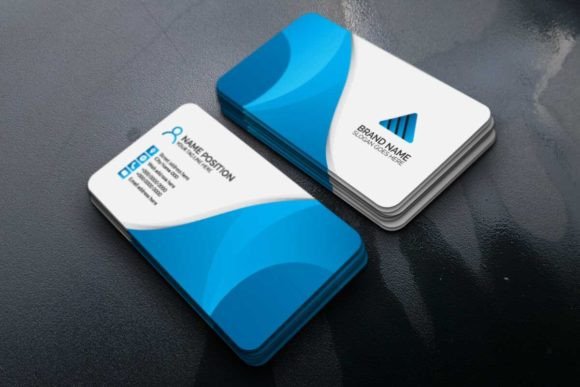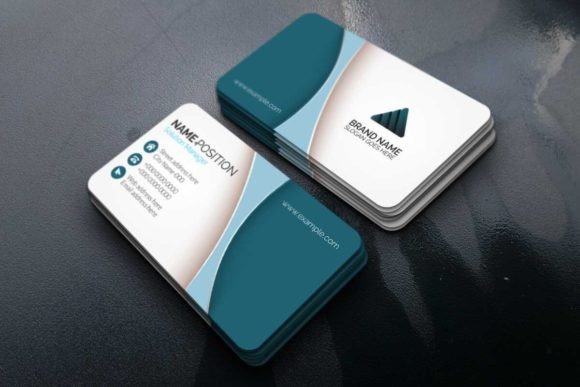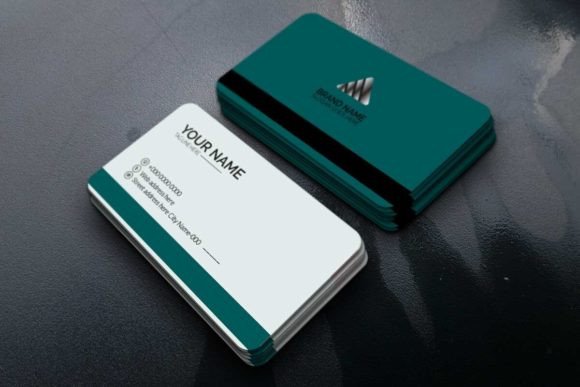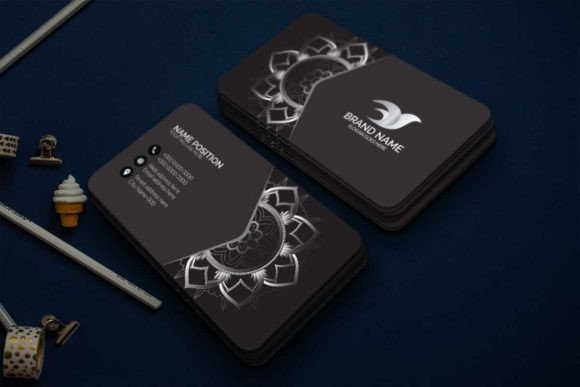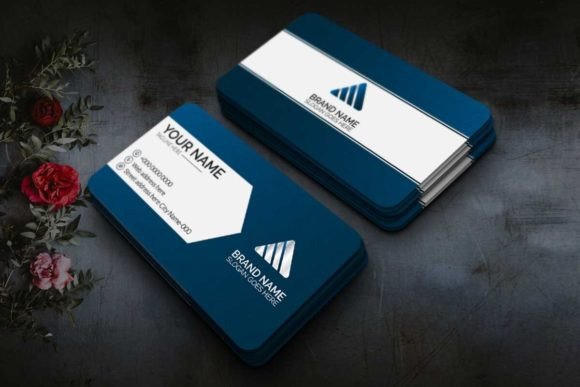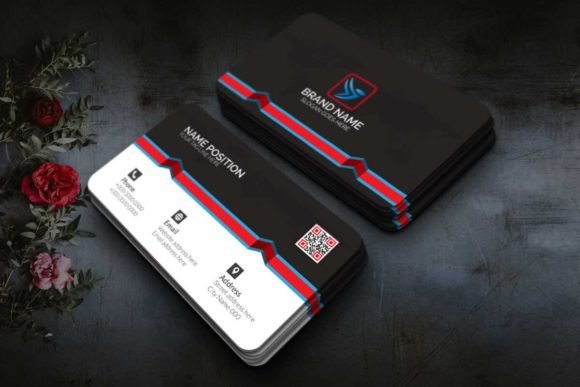
Professional Business Card: Elevate Your Network with Precision
In the digital age, a physical Professional Business Card remains one of the most tangible ways to make a lasting first impression. It is not merely a piece of cardstock; it is an extension of your personal brand and a tool for credibility. However, many professionals overlook the critical importance of file preparation, leading to blurry prints or colors that look nothing like the screen. This elegant and premium business card template solves those headaches by offering a fully customizable solution compatible with Adobe Photoshop and Adobe Illustrator.
When you choose this specific design, you are investing in a workflow that prioritizes quality from the start. The download includes IDML files, which ensures that text remains editable even if you do not have the latest version of InDesign. With features like separate layers, paragraph styles, and bleeds already set up, you avoid the tedious process of building a document from scratch. Furthermore, the inclusion of links to free fonts means you can achieve a high-end look without worrying about licensing fees or missing typefaces.
Avoiding the "Blurry Print" Trap
One of the most common mistakes beginners make when ordering custom printing is ignoring resolution settings. A standard web image often sits at 72dpi, which looks sharp on a monitor but turns into a pixelated mess when printed. For a Professional Business Card, the industry standard is strictly 300dpi. This template comes pre-configured with the correct resolution, ensuring that every vector shape and text element remains crisp and sharp.
If you attempt to resize a low-resolution image to fit a 3.5×2 inch card, you risk ruining the entire print run. Instead of struggling with upscaling tools that degrade quality, use the provided vector shapes. Because the design relies on vectors, you can scale elements up or down without any loss of clarity. This flexibility allows you to adjust the layout to suit your specific content while maintaining the premium aesthetic intended by the designer.
Understanding Color Accuracy and CMYK
Many users assume that the colors they see on their computer screen will translate perfectly to paper. This is a dangerous misconception. Screens use RGB (Red, Green, Blue) light to create color, whereas printers use CMYK (Cyan, Magenta, Yellow, Key/Black) ink. If you design in RGB, your vibrant blues might appear dull and muddy once printed.
This template addresses this issue by being built entirely in CMYK color mode. By starting with the correct color profile, you ensure that the final product matches your vision. When editing the file, always check your color settings before sending the job to print. If you accidentally import an RGB image into the document, the printer may convert it poorly, resulting in unexpected color shifts. Always verify that your imported assets are converted to CMYK to maintain consistency across both sides of the card.
The Importance of Bleed and Safe Zones
A frequent error in DIY printing projects is placing text or logos too close to the edge of the card. During the cutting process, slight variations occur. If your design extends all the way to the edge without a bleed, you risk ending up with thin white lines along the border, which looks unprofessional.
This Premium Business Card Template includes proper bleed settings. The bleed area extends beyond the final cut line, allowing the printer to trim the card cleanly without leaving unwanted gaps. However, you must still be careful where you place your critical information. Keep all essential text, phone numbers, and email addresses within the safe zone. The template's separate layers help you visualize these boundaries easily. If you ignore these margins, you might find yourself having to reprint hundreds of cards because the text was cut off.
File Compatibility and Editing Workflow
Not everyone owns the full suite of Adobe software, but this template is designed to be accessible. The ZIP archive includes an AI file compatible with Adobe Illustrator CC, which contains both sides of the card in a single, organized file. Additionally, the inclusion of IDML files makes it easier for users who primarily work with InDesign to edit the layout.
A common pitfall is attempting to open these files in older versions of software that cannot read newer formats. Always ensure your software is updated to the latest version supported by the file. Another mistake is flattening layers before saving. While it might seem efficient, flattening removes the ability to change text or move elements later. Keep the layers intact until your final export. This approach saves time in the long run if you need to update a phone number or title after the initial design phase.
Choosing the Right Dimensions
While the standard size for a business card is 3.5×2 inches, some industries prefer non-standard sizes like 2×3.5 inches (vertical orientation). Confusion often arises when users select the wrong dimensions during the setup phase, leading to cards that do not fit in wallets or cardholders.
This template offers both orientations, giving you the freedom to choose what fits your brand best. Before finalizing your design, consider where the card will be used most frequently. If you hand them out at trade shows, a vertical layout might stand out more. If you are exchanging contacts in a formal setting, the horizontal standard is often preferred for its familiarity. Do not assume one size fits all; evaluate your specific networking environment before committing to a layout.
Maximizing Value with Free Fonts
Typography plays a massive role in how professional a card appears. Using default system fonts can make a design look generic. This template includes links to free fonts that match the style of the design, ensuring you don't have to pay for expensive licenses to get a premium look.
However, simply downloading the font is not enough. You must install it correctly on your operating system before opening the template. If the font is missing, the software will substitute it with a default typeface, which can ruin the spacing and alignment of your text. Always check the included documentation or links to ensure you have installed the correct font family. Once installed, save the file as a PDF with embedded fonts to guarantee that the typography remains exactly as designed when the printer opens the file.
Final Checks Before Printing
Before hitting the send button to your printer, take a moment to review the final output. Check for typos, ensure all contact links work, and verify that the color profiles are correct. It is also wise to order a single test print before committing to a large batch. This step catches errors that might have been missed on the screen, such as incorrect margins or color discrepancies.
By utilizing a template that handles the technical complexities like bleeds, layers, and vector shapes, you can focus on the content that matters: your message. Avoid the frustration of poor-quality prints by respecting the technical requirements of the medium. With this Professional Business Card template, you have the tools to present yourself stylishly and effectively, ensuring that your network grows based on the quality of your presentation.