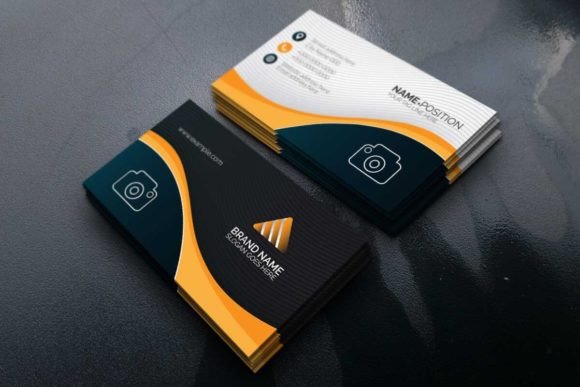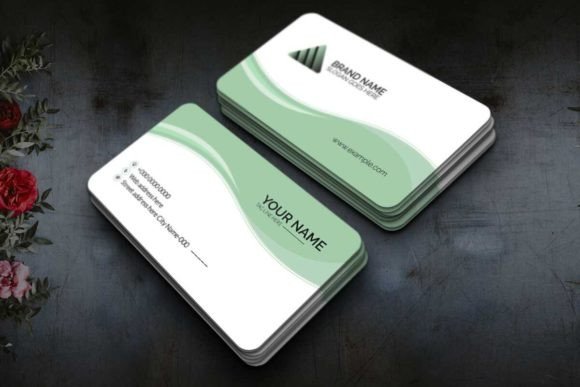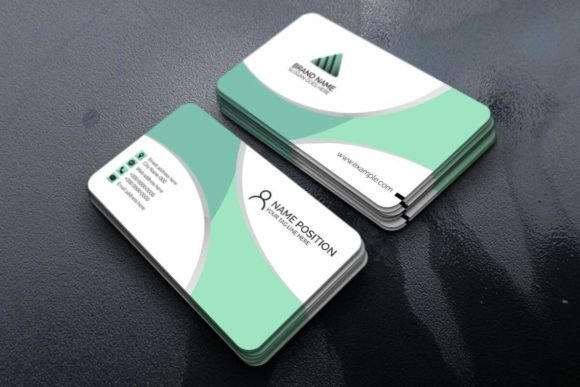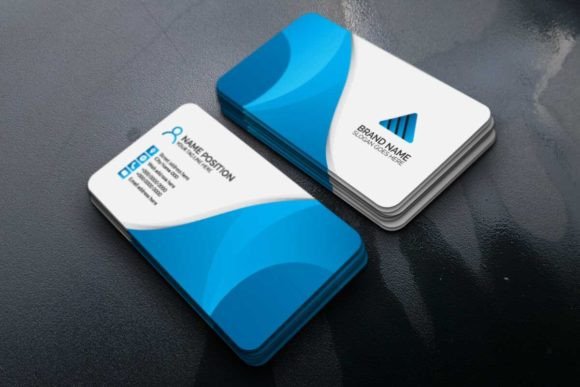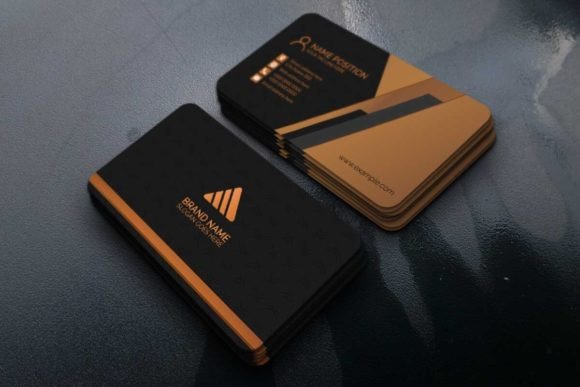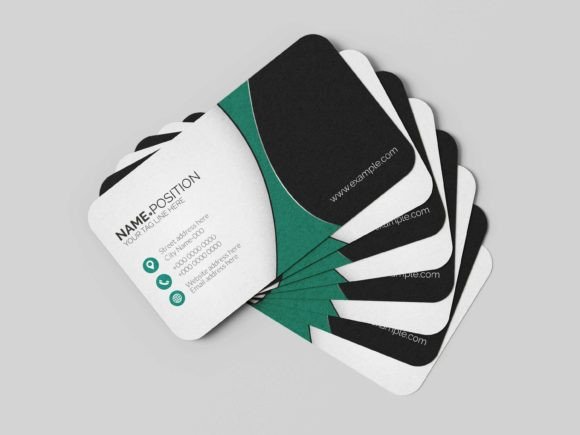
Visiting Card and Business Card 2024: The Evolution of Professional Identity
In the rapidly shifting landscape of professional networking, the concept of a visiting card has transcended its traditional role as a mere container for contact details. By 2024, the business card has evolved into a tangible extension of personal branding and corporate identity. For professionals, creators, and business owners alike, the quality of this first physical interaction can significantly influence perceptions of competence and reliability. This article explores the nuances of modern card design, focusing on how premium templates serve as the foundation for effective self-presentation.
The Shift from Utility to Experience
Gone are the days when a simple printed sheet of paper sufficed for introductions. Today, the business card 2024 standard demands a level of sophistication that reflects the digital age while maintaining the tactile appeal of print media. The transition from a basic utility item to an experience is driven by the need to stand out in crowded industries. Whether you are an educator presenting research findings or a hobbyist showcasing a portfolio, the visual language of your card sets the tone for the entire conversation.
A high-quality template acts as the blueprint for this transformation. It is not merely about aesthetics; it is about functionality and precision. When a potential client receives a card that feels substantial, looks crisp, and displays information with perfect alignment, it subconsciously communicates attention to detail. This psychological impact is crucial for establishing trust before a single word is spoken.
Why Premium Templates Matter
Creating a unique design from scratch requires significant expertise in graphic design software. However, not every professional has hours to dedicate to layout engineering. This is where a premium, fully customizable template becomes an indispensable asset. These resources provide a structured framework that ensures technical accuracy while allowing for creative freedom.
An elegant and premium business card template offers several distinct advantages over amateur designs:
- Professional Polish: Pre-designed layouts adhere to industry standards for typography, spacing, and hierarchy.
- Technical Precision: They come pre-configured with correct bleed areas and color profiles, eliminating printing errors.
- Time Efficiency: Users can focus on their content rather than struggling with grid lines and alignment tools.
For the modern user, the ability to customize without compromising quality is the defining feature of a successful product. It bridges the gap between professional design standards and the accessibility needed by small business owners and independent creators.
Technical Specifications for Print Success
One of the most common pitfalls in creating a visiting card is ignoring the technical requirements of the printing process. A design that looks perfect on a screen can appear blurry or cut off if not prepared correctly for print. Understanding the specific parameters of a business card 2024 template is essential for achieving a flawless final product.
The ideal template must be built with CMYK color mode in mind. Unlike RGB, which is used for screens, CMYK (Cyan, Magenta, Yellow, Key/Black) is the standard for offset and digital printing. Using the wrong color space can result in dull or shifted colors when the cards are physically produced. Furthermore, resolution is non-negotiable. High-definition output requires files to be set at 300dpi. Anything lower will result in pixelation, making text unreadable and images grainy.
Dimensions also play a critical role. While the standard size in many regions is 3.5×2 inches, some markets prefer the 2×3.5 inch orientation or other variations. A versatile template should accommodate these standard sizes while providing clear guides for cutting. Additionally, the inclusion of bleeds—extra image area extending beyond the trim line—is vital. Without bleeds, white edges may appear around the card if the cutter shifts slightly during production.
The Power of Vector and Resizability
Flexibility is another hallmark of a top-tier design file. A vector shape based template allows for infinite scalability without loss of quality. This means that whether you are printing on a standard card stock or scaling up elements for a larger display, the graphics remain sharp. The concept of a resizable card within the template structure empowers users to adapt the design for various needs, such as vertical versus horizontal orientations, without redesigning the core elements.
This technical robustness ensures that the final output matches the vision of the creator. It removes the anxiety associated with sending files to a printer, knowing that the source material meets all necessary specifications for professional reproduction.
Workflow and Customization Capabilities
The true value of a premium template lies in its ease of use. The workflow for customizing a business card should be streamlined, allowing users to swap out text and images without breaking the design. Modern templates often come with separate layers, making it easy to isolate specific elements like logos, names, or contact icons.
Compatibility with industry-standard software is a prerequisite. A template that includes AI file Adobe Illustrator CC formats ensures that designers have full control over vector paths and effects. Similarly, the inclusion of IDML files provides flexibility for those who prefer Adobe InDesign for complex layout management. This multi-format approach caters to a diverse range of users, from seasoned graphic designers to office managers.
The presence of paragraph styles further simplifies the editing process. Instead of manually adjusting font sizes, line heights, and kerning for every new entry, users can apply predefined styles. This consistency guarantees that the document remains organized and professional throughout the customization phase. Moreover, links to free fonts included in the download mean that users do not need to purchase expensive licenses just to replicate the original look.
Organizing Your Design Assets
A well-structured ZIP archive is the delivery mechanism for this entire ecosystem. Inside, users typically find an AI file containing both sides of the card in a single document. This organization reduces clutter and ensures that the front and back designs remain synchronized. When working with separate layers, the user can toggle visibility to check individual components, ensuring that no element is accidentally hidden or misplaced.
The ability to edit easily extends to the integration of brand assets. Whether inserting a company logo or updating a phone number, the modular nature of the template supports rapid iteration. This agility is particularly valuable for businesses that undergo frequent changes or for individuals who manage multiple projects and need varied contact information.
Diverse Applications Across Industries
The versatility of a premium visiting card template makes it applicable across a wide spectrum of professions. The same foundational design principles can be adapted to suit the unique needs of different sectors, proving that good design is universal yet adaptable.
For professionals such as lawyers, doctors, and consultants, the card serves as a formal introduction. Here, the emphasis is on clarity, authority, and minimalism. The clean lines of a premium template allow these users to project an image of stability and trustworthiness.
In the realm of creators and educators, the card often doubles as a mini-portfolio. These users might prioritize visual elements, incorporating QR codes or stylized typography to direct viewers to online portfolios or educational resources. The business card 2024 trend in this sector leans towards creativity, using the template's vector capabilities to create unique graphical accents.
Hobbyists and researchers also benefit from these tools. A researcher presenting at a conference needs a card that conveys intellectual rigor. A hobbyist selling handmade goods needs something that feels artisanal. By adjusting the color palette and imagery within the same template structure, these users can tailor the aesthetic to fit their niche perfectly.
Considerations for Sustainable and Effective Printing
While the digital preparation of the card is crucial, the physical realization of the design is equally important. Choosing the right paper stock can elevate a standard design to a luxury item. Heavyweight card stocks with matte or gloss finishes add texture and weight, reinforcing the premium feel of the visiting card.
When utilizing a template with CMYK Color settings, it is wise to request a proof from the printer before running a full batch. This step ensures that the colors on the screen translate accurately to the physical medium. Additionally, considering the environmental impact of printing is becoming increasingly relevant. Many users now opt for recycled papers or eco-friendly inks, aligning their professional identity with sustainable values.
The ease of customization also allows for cost-effective testing. Because the files are editable, users can experiment with different color schemes or layouts digitally before committing to a print run. This iterative process saves money and resources, ensuring that the final order is exactly what was envisioned.
Conclusion: Elevating Your Professional Presence
In an era dominated by digital communication, the physical business card remains a powerful tool for connection. It is a tangible reminder of a meeting, a conversation, or an idea. By leveraging an elegant and premium business card template, individuals and organizations can ensure that this touchpoint is memorable and impactful.
The combination of technical precision, such as 300dpi resolution and proper bleeds, with the creative freedom offered by layered, vector-based designs, creates a product that serves both practical and aesthetic needs. Whether you are a business owner looking to establish credibility or a freelancer seeking to showcase creativity, the right template provides the foundation for success.
Ultimately, the goal is to present oneself in a stylish and professional way. A well-crafted card does more than list contact information; it tells a story about who you are and what you value. As we move further into 2024, the standard for these essential items continues to rise, demanding designs that are as dynamic and innovative as the people who carry them.